Why a Live Electronic Music Archive Matters
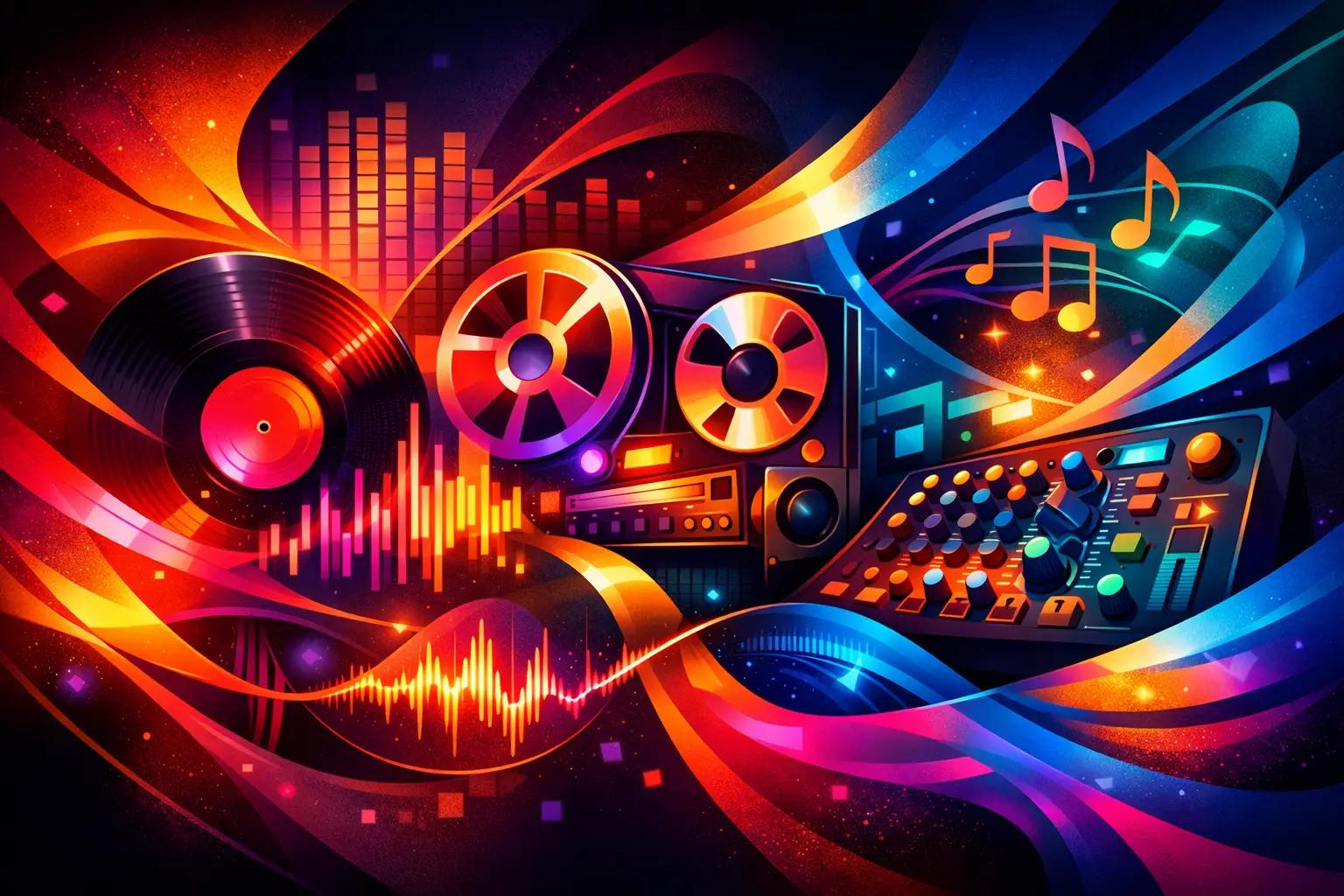
A great DJ set is built for the room, but the room does not have to disappear when the last track lands. A live electronic music archive gives that moment a second life: the build, the crowd energy, the risky transition, the artist’s story, and the sound of a specific scene at a specific point in time. For fans, it means more music to find. For artists, it means a performance can keep working long after the cameras stop rolling.
Electronic music has always moved fast. New subgenres surface overnight, DJs break through on a single festival stage, and local communities can become global conversations in a weekend. That speed is exciting, but it can also bury the performances and perspectives that made the culture move in the first place. Archiving live sessions is how a platform turns content into a living record of the scene.
A live electronic music archive is more than a playlist
A playlist can capture tracks. A recorded live set captures decisions. It shows how an artist reads a room, controls tension, shifts tempo, reaches for an unexpected record, or takes a crowd from a deep groove into full release. Those choices are where a DJ’s identity becomes clear.
The same is true of interviews and industry conversations. A 30-minute conversation with a producer, promoter, label head, or touring artist can hold the details that rarely make it into a bio: how a first release came together, what a local market is really like, why an event format worked, or what it took to build a career without waiting for permission. Years later, those episodes can be just as valuable as the day they aired.
That is the difference between a feed and an archive. A feed is designed to move on. An archive is designed to be returned to.
For electronic music, that distinction matters. Scenes are often documented through flyers, club memories, short clips, and word of mouth. A searchable, watchable collection of full performances and conversations adds context. It preserves the names, sounds, and relationships behind the music rather than reducing them to a passing post.
The value for fans: discovery with a real human signal
Fans do not only want the biggest name on the festival lineup. They want the thrill of finding an artist before everyone else starts talking about them. A deep archive creates that opportunity every day.
Someone might arrive looking for peak-time techno and leave with a favorite melodic house artist. A listener who knows a touring headliner may discover the local DJ who opened the session with a sharper, more personal set. That kind of discovery feels different from an algorithmic recommendation because it has a human frame around it. You can see where the artist performed, hear how they speak about their craft, and understand their place in a wider community.
It also lets fans explore by mood, era, format, and setting. Rooftop sessions deliver one kind of energy. A cab set, silent disco, studio stream, or on-location broadcast delivers another. The location is not just a backdrop. It changes the performance and gives viewers a stronger sense of presence.
For longtime listeners, archives have another pull: they create return visits. Maybe you replay a set because a track ID has been stuck in your head. Maybe you revisit an interview after an artist announces a new release. Maybe you want to hear what a DJ sounded like before their sound evolved. The archive meets listeners where they are, whether they are chasing a new favorite or reconnecting with a moment they remember.
The value for artists: visibility that does not expire
A live appearance should not be treated as a one-night asset. Artists put time, travel, preparation, music selection, and real creative risk into a performance. When that appearance is properly captured and organized, it becomes a piece of their public story.
For emerging DJs, an archived set can be proof of performance ability. Promoters, collaborators, and new fans can see more than a polished press photo or a 30-second social clip. They can watch how the artist builds a journey over time. That matters in a culture where programming skill and crowd connection are still central to credibility.
For established names, archive appearances can show a side of the artist that a major festival recording may not. A more intimate set, a focused genre session, or a candid conversation can deepen the relationship with an audience that already knows the headlines.
There is a trade-off, of course. Not every live set is meant to be permanent. DJs may test unreleased music, work through a new direction, or play for a room that needs freedom from the camera. A strong archive respects that reality. The goal is not to record everything indiscriminately. The goal is to preserve the sessions that artists and audiences want to keep in circulation, with clear expectations around rights, tracklists, and distribution.
Why consistency beats one viral moment
Viral clips can introduce an artist to millions of people, and that reach is real. But a clip alone cannot carry the weight of a career or document the depth of a culture. It gives the audience a spark. Consistent programming gives them somewhere to go next.
That is why volume matters when it is paired with care. Thousands of sessions across multiple years, formats, cities, and styles create a fuller picture than a handful of highly produced highlights. The archive becomes useful because it reflects both global names and local talent, big moments and early appearances, performance and conversation.
The DJ Sessions has built that kind of record since 2009, with a catalog that reaches across live DJ sets, interviews, and distinct session environments. The point is bigger than a number of episodes. A long-running archive shows continuity. It tells artists that their work is entering an ecosystem with history, and it tells fans there is always another session worth finding.
Consistency also gives scenes a chance to speak for themselves. A regional sound does not need to wait for national media attention if its DJs, promoters, and producers have a recurring platform where their work can be seen and heard. Over time, those appearances map the relationships that actually power dance music: the crews, venues, labels, radio voices, and independent builders who keep the culture active.
What makes an archive worth using
A massive back catalog is only valuable if people can actually move through it. The best live music archives make discovery feel easy without making every session feel the same.
Organization matters. Viewers should be able to follow artists, styles, locations, and show formats without needing to know the exact episode title. Clear descriptions and consistent episode information help someone decide whether they are about to hear driving techno, vocal house, bass-heavy breaks, progressive sounds, or a discussion about the business behind the booth.
Quality matters too, but quality does not always mean sterile production. Clean audio and reliable video are essential. So is personality. A live archive should retain the rough edges that make a session believable: the quick laugh before a set, the crowd response, the unexpected moment, and the sense that something is happening rather than being manufactured.
Context is the final piece. An artist name alone is rarely enough. Tell viewers what they are watching, where it was recorded, what makes the format distinct, and why the guest belongs in the conversation. A little framing helps a first-time listener become an invested fan.
An archive keeps the scene in circulation
Electronic music is built on repetition, but never on standing still. A kick drum returns. A groove develops. A record from ten years ago lands in a new set and suddenly belongs to the present again. A live archive works the same way. It keeps performances moving through new audiences, new contexts, and new stages of an artist’s career.
For fans, that means the next great session may already be waiting. For artists, it means a strong performance can continue opening doors. For the wider industry, it means the culture has a record that is richer than a highlight reel. Keep the cameras rolling when the moment deserves it, then make sure the moment remains easy to find.
Latest Shows
Latest news
Gallery
-









Comments
This post currently has no comments.