How to Get DJ Press Coverage That Lands
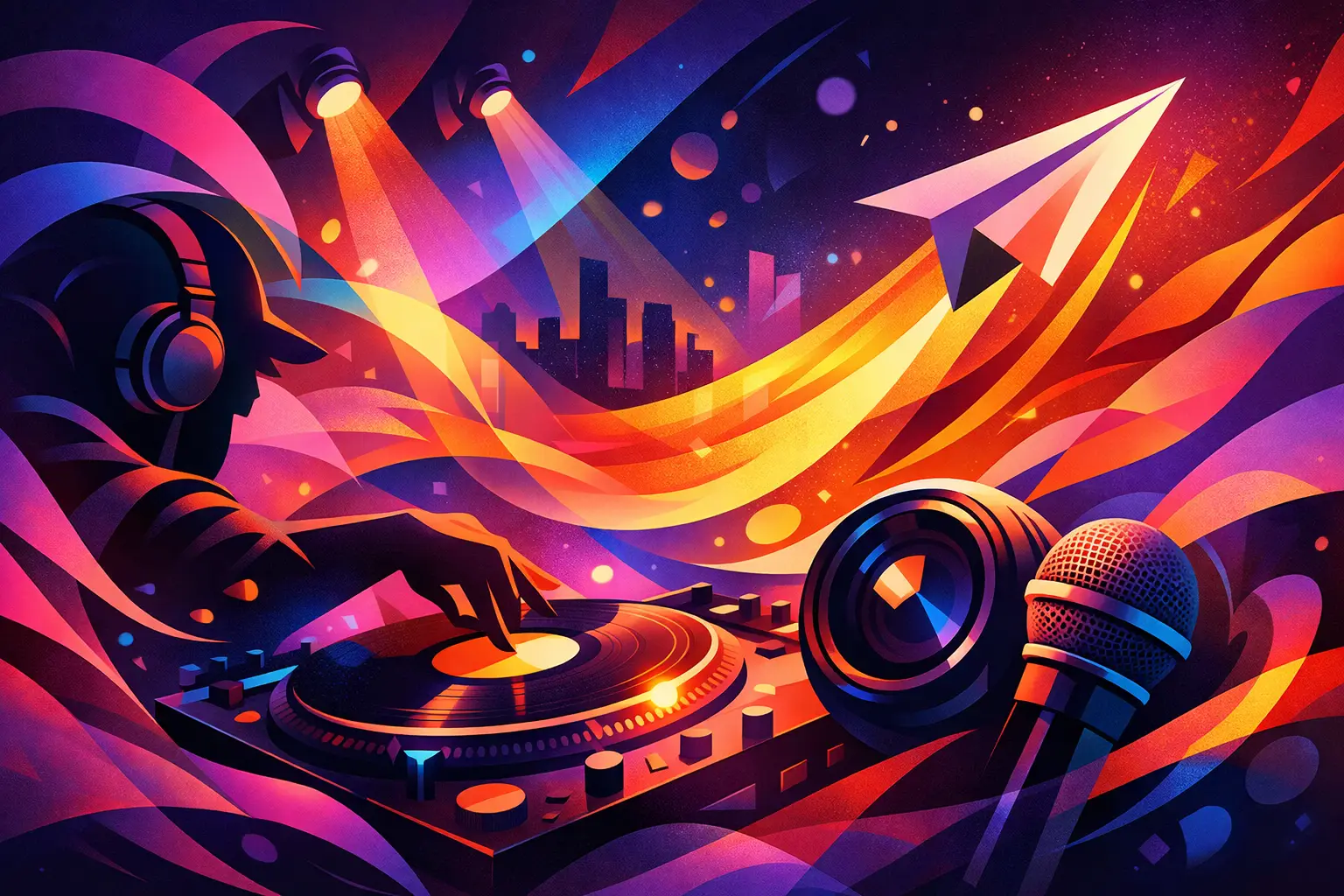
If you’re asking how to get DJ press coverage, start here: nobody in dance music media is waiting for another generic “check out my new mix” email. Editors, hosts, and curators are looking for a reason to care now. In a crowded scene where everyone is posting clips, dropping edits, and announcing shows, coverage usually goes to the artist with a real angle, not just a release date.
That can be frustrating, especially for emerging DJs who are working hard, building a sound, and playing strong sets without getting noticed outside their immediate circle. But press is not random, and it is not reserved for major names only. It usually comes from three things working together – a clear story, professional presentation, and consistent relationship-building inside the culture.
How to get DJ press coverage starts with your story
A lot of artists think press coverage begins with a press release. It does not. It begins with your story, and more specifically, the version of your story that matters to an audience beyond your own feed.
“I released a new track” is not a story by itself. Neither is “I have been grinding for years.” Media outlets in electronic music hear that every day. What gets attention is context. Maybe your release was road-tested in club sets for six months and built buzz organically. Maybe you’re fusing regional sounds into a house record in a way that feels fresh. Maybe your event series is helping rebuild a local scene. Maybe your new mix captures a specific moment in nightlife culture, not just your technical ability.
The point is simple: press coverage follows relevance. If you cannot explain why your release, mix, event, or career move matters right now, a writer or producer has to do that work for you. Most will not.
This is where a lot of DJs miss the moment. They pitch outputs instead of narratives. Media wants both, but the narrative is what gets the click, the interview, the feature, or the premiere.
Build assets before you pitch
Before you contact anyone, make sure your materials look like they belong in the same room as the artists already getting covered. That does not mean you need a giant budget. It means you need to remove friction.
A media contact should be able to understand who you are in under a minute. That means having a sharp artist bio, current press photos, live performance images if you have them, a short summary of what you are pitching, and easy access to your music or mix. If your assets are scattered across DMs, private folders, and half-updated profiles, you are making the process harder than it needs to be.
Your electronic press kit should feel current, not padded. A clean one-sheet with your artist identity, recent milestones, notable support, and the specific ask is more useful than a bloated folder full of old flyers and every track you have ever made. Less can be stronger if it is focused.
And yes, presentation affects credibility. In dance music, visuals matter. If your photos look outdated or your branding changes every month, media outlets may assume your project is not fully formed. That may not be fair, but it is real.
What editors and hosts actually look for
Different outlets want different things, but most are asking a version of the same question: why this artist, why this release, and why now?
A blog might want an exclusive premiere. A podcast might want someone who can tell a compelling story on mic. A livestream platform may care whether you can bring performance energy, scene value, and audience engagement. An interview-driven outlet may be more interested in your process, your community ties, or the business angle behind your project.
That is why mass pitching underperforms. Sending the same message to a club culture publication, a local events blog, and a DJ mix series usually produces weak results because each platform serves a different audience. Tailoring your pitch is not extra credit. It is the work.
Target the right media, not the biggest media
One of the smartest moves in learning how to get DJ press coverage is dropping the fantasy that one giant feature will change everything. Sometimes it helps, sure. More often, momentum comes from stacking the right placements over time.
For a developing DJ, local coverage can be more valuable than a cold shot at a massive publication that has no relationship to your lane. If you are building in Seattle, Miami, Detroit, or Brooklyn, local nightlife outlets, event pages, community radio, regional podcasts, and niche electronic platforms may move the needle faster than a dream outlet that never responds.
The same goes for genre fit. If your sound lives in melodic techno, Afro house, bass, underground house, trance, or open-format club culture, pitch the media that already serves that audience. Relevance beats reach when you are trying to build trust.
This is also where scene credibility matters. Artists who support other artists, show up consistently, and become part of the ecosystem tend to earn more coverage than those who only appear when they need promotion. Media in electronic music is still relationship-driven. People remember who contributes to the culture.
Your pitch needs to sound human
Bad DJ pitches usually fail in predictable ways. They are too long, too vague, too self-congratulatory, or clearly copied and pasted. Good pitches get to the point fast and make it easy for the recipient to say yes.
Open with a relevant reason you are reaching out to that specific outlet. Mention the release, mix, event, or story angle in plain language. Give one or two strong credibility points, not ten. Then make a clear ask. Are you offering an interview, a guest mix, a premiere, a live session, or coverage of an event?
Keep the tone confident, not desperate. Editors and producers can feel the difference immediately. You are not begging for attention. You are presenting something worth featuring.
Timing matters too. If you send a pitch the night before your release and expect a feature, you are probably too late. Many outlets plan ahead. Others move faster, especially on social-first formats, but even then, more lead time helps. A good general rule is to pitch at least two to four weeks before you want coverage, and earlier if exclusives or editorial scheduling are involved.
Follow up without becoming background noise
Following up is part of the process. Spam is not.
If you do not hear back, a short follow-up after several days is reasonable. Another one later can be fine if there is a new hook, like added support, fresh content, or an approaching event date. But if someone does not respond after that, keep moving. Burning bridges with repeated emails or guilt-driven messages is a fast way to get ignored long-term.
Sometimes no response is not a rejection of your music. It may be a timing issue, a crowded inbox, or simply a poor fit. That is why smart artists build a media pipeline instead of treating every pitch like a make-or-break moment.
Create moments media can cover
If you want more press, give media more than releases. Create moments.
That could mean a filmed rooftop set, a concept mix tied to a city or subculture, a collaborative event, a charity stream, a behind-the-scenes studio story, or a conversation around something larger than your drop date. The electronic music world moves on energy, community, and experience. Press often follows what feels alive.
This is also why multimedia helps. A strong interview clip, a great live photo, or a standout performance video can give an outlet a reason to feature you even if they are not doing a traditional article. In dance music media, formats are wide open now. Coverage might look like a written feature, an artist spotlight, a guest mix, a livestream session, or a short-form interview segment.
One appearance on a respected platform can create proof for the next one. Once your name starts circulating with quality assets and a clear identity, pitching gets easier.
How to get DJ press coverage and keep it coming
The real win is not getting covered once. It is becoming coverable repeatedly.
That means developing a recognizable brand, releasing with intent, documenting your journey, and staying active between major announcements. If media only hears from you when you want something, you stay transactional. If they see you building, performing, collaborating, and contributing to the scene, you become part of the ongoing story.
It also helps to think beyond press as validation. Press is a tool. Strong coverage can help with bookings, social proof, label conversations, and fan trust, but it works best when the foundation is already moving. If your sets are strong, your identity is sharp, and your community is growing, media coverage amplifies momentum. It does not replace it.
For artists serious about visibility in electronic music, platforms that blend performance content, interviews, and scene storytelling can be especially valuable because they give audiences more than a headline. They give people a real feel for who you are.
Press coverage is earned in layers. You build the story, sharpen the assets, pitch the right people, and keep showing up. The scene notices artists who bring value, not just volume – and when your project feels real, the right coverage gets a lot easier to land.
Latest Shows
Latest news
Gallery
-



Comments
This post currently has no comments.