Where to Find DJ Sets That Keep You Moving
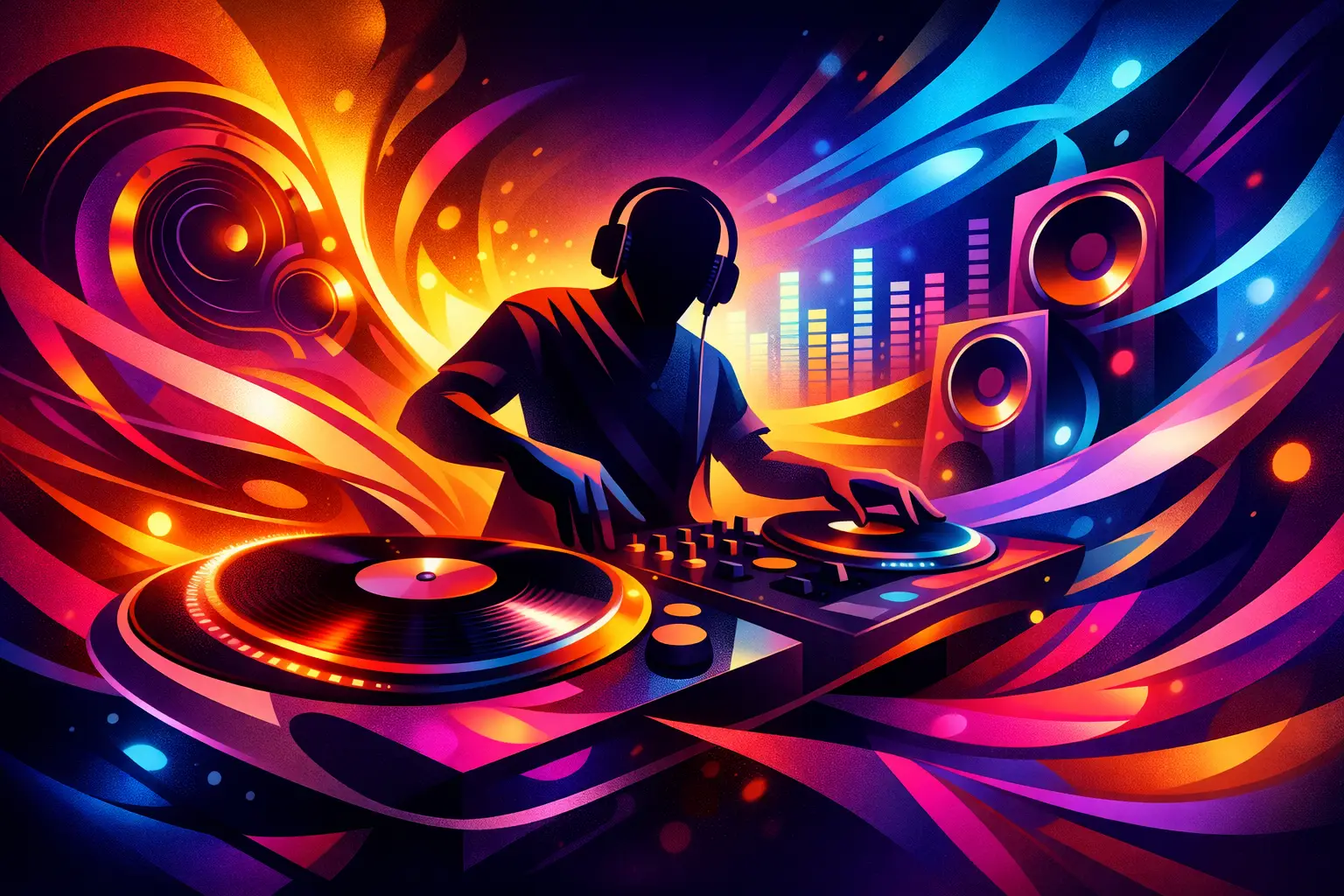
A great DJ set can reset your whole day. One minute you are stuck in traffic, buried in emails, or waiting for the weekend. The next, a perfectly timed transition, a left-field vocal, or a peak-time techno record has you locked into the moment. If you are asking where to find DJ sets, the best answer is not one platform or one playlist. It is knowing which corners of electronic music culture serve the sound, energy, and connection you want.
For fans, sets are more than background listening. They are a way to discover artists before the lineup poster drops, revisit a night that went too fast, and hear how DJs build a story record by record. For DJs and producers, they are research, inspiration, and a direct line to the scenes shaping dance floors around the world.
Where to Find DJ Sets: Start With the Format
Not every DJ set is made for the same experience. A three-hour club recording has a different job than a 45-minute livestream, a festival set, or a radio mix. Before searching, decide what you actually want to hear.
If you want the feeling of being in the room, look for recordings from clubs, festivals, warehouse parties, and rooftop events. These sets often preserve crowd reactions, long blends, and the risk that comes with reading a live audience. The sound may not always be studio-perfect, but that is part of the appeal. You are hearing a real night unfold.
If you want music discovery without committing to a full night’s worth of listening, artist podcasts and radio-style shows are a strong lane. DJs often use these mixes to test unreleased tracks, spotlight labels, or show a more personal side of their sound. A producer known for heavy club sets may bring out dubby, ambient, disco, or experimental selections in a recorded session.
For a visual experience, seek out filmed sets and live streams. Watching a DJ work gives the music more context: the venue, the lighting, the crowd, the gear, and the small decisions that make a performance feel human. This is especially valuable for newer DJs studying technique or fans who miss the communal energy of a packed dance floor.
Go Beyond Algorithmic Recommendations
Music algorithms can be useful, but they tend to feed you more of what you already know. That is fine when you need familiar energy for a workout or pregame, but it can flatten your discovery process. The most memorable finds often come from following scenes, not just genres.
Start with DJs you already trust, then pay attention to who they play alongside, interview, support, or invite into a mix series. Follow event brands, promoters, independent labels, and local collectives. Their programming tells you where the movement is happening before the mainstream catches up.
A label’s mix series is often one of the fastest ways to understand its identity. If a label is releasing forward-thinking house, breaks, drum and bass, techno, or melodic music, its resident and guest mixes can reveal the deeper ecosystem around those releases. You may find artists who have not released much yet but are already building serious momentum behind the decks.
Local scenes matter just as much. Big festival sets can deliver spectacle, but local DJs are frequently where the real digging happens. They know the rooms, the crews, the after-hours energy, and the records that make their community move. Search by city alongside the genre you love, and you will find a more grounded path into the culture.
Find DJ Sets in Trusted Archives
The internet moves fast, and sets disappear faster than people expect. A livestream ends. A social post gets buried. A channel changes direction. That is why a consistent archive is worth its weight in gold.
Look for platforms that have documented DJs over time rather than chasing only viral clips. A deep archive lets you trace an artist’s progression, compare sets from different years, and discover names through related appearances. It also gives emerging talent a place to exist next to established selectors, which is how real scene discovery should work.
The DJ Sessions has built its catalog around that principle, with thousands of performances, interviews, and specialty sessions dating back to 2009. Its programming spans Virtual Sessions, Rooftop Sessions, Cab Sessions, Silent Concert and Disco Sessions, and On Location broadcasts, giving viewers more than one version of electronic music culture. Some sets deliver polished studio energy; others put you right in the middle of a live environment.
When choosing an archive, consistency matters more than hype. A platform that regularly documents artists, scenes, and conversations becomes useful long after a single set has finished circulating. You can return when you need a late-night soundtrack, want to study a particular style, or are looking for the next artist to book, support, or follow.
Use Live Streams for Real-Time Energy
Live DJ streams remain one of the closest digital versions of going out. The chat is moving, the performer is reacting in real time, and there is always the possibility that something unexpected will happen. That unpredictability is the point.
Streams are especially strong for global discovery. You can catch a daytime session from another continent, move into a local evening broadcast, and end your night with an after-hours set without leaving home. For fans in markets with fewer clubs or limited touring access, livestreams can be a real connection to scenes that would otherwise feel far away.
There is a trade-off. Live video does not always offer the cleanest audio, and a set built for visual performance can sometimes prioritize the moment over deep musical development. Still, the best streams deliver intimacy that a polished upload cannot recreate. You are there while it is happening.
Set notifications for artists and channels you genuinely care about. Do not turn on alerts for everyone. A crowded notification feed becomes noise, and electronic music already produces more content than any one person can absorb. Curate your live calendar the same way you curate your record collection: with intention.
Let Mix Series Lead You to New Artists
A reliable mix series is one of the easiest ways to build a listening habit. Instead of endlessly searching, you know there is a new guest, a new mood, and a new perspective waiting every week or month.
The strongest series have a clear point of view without becoming repetitive. One episode might feature a respected touring headliner, while the next introduces a local selector, a label boss, or a producer stepping out for a rare DJ mix. That range keeps discovery alive.
Pay attention to tracklists when they are available, but do not treat them like a scavenger hunt that has to be completed immediately. Sit with the set first. Notice the moments that pull you in. Was it the groove, the tension, the vocal, the drum programming, or the way the DJ changed direction? That instinct will teach you more about your taste than a list of titles alone.
For DJs, mix series are also a professional reference point. Study pacing, opening choices, energy management, and how artists handle genre shifts. Borrow principles, not playlists. The goal is not to recreate someone else’s set. It is to sharpen your own voice.
Search Smarter When You Need a Specific Vibe
The fastest way to get better results is to combine genre, setting, and purpose in your search. “House DJ set” is broad. “Deep house sunset set,” “hard techno warehouse recording,” “90s rave vinyl mix,” or “drum and bass radio session” tells the search exactly what mood you are chasing.
You can also search around moments: opening set, closing set, after-hours, festival warm-up, road trip, gym session, focus mix, or cookout. A DJ set is a time-based art form, so context matters. A brilliant 6 a.m. closing set may be completely wrong for a daytime patio hang, and that does not make either one less effective.
If you are searching for a particular artist, include the year or event name. Artists evolve. A set from five years ago may represent a different tempo, sound palette, and creative era than their current bookings. That history is part of the fun.
Build a Set Routine, Not a Content Pile
The biggest mistake is collecting hundreds of sets and listening to none of them. Treat your discoveries like a rotation. Keep a few sets for active listening, a few for work or travel, and one or two that push you outside your normal lane.
Come back to the mixes that hold up. The first listen catches impact. The second reveals structure. By the third, you might notice the understated transition or early track that quietly set up the whole journey. That is where DJing becomes more than a genre label. It becomes craft.
The next set worth hearing may come from a global headliner, a hometown opener, a label newcomer, or a crew broadcasting from a room you have never seen. Stay curious, follow the people building the culture, and give a full set enough time to tell you where it wants to go.
Latest Shows
Latest news
Gallery
-







Comments
This post currently has no comments.