How to Promote DJ Brand and Build Real Buzz
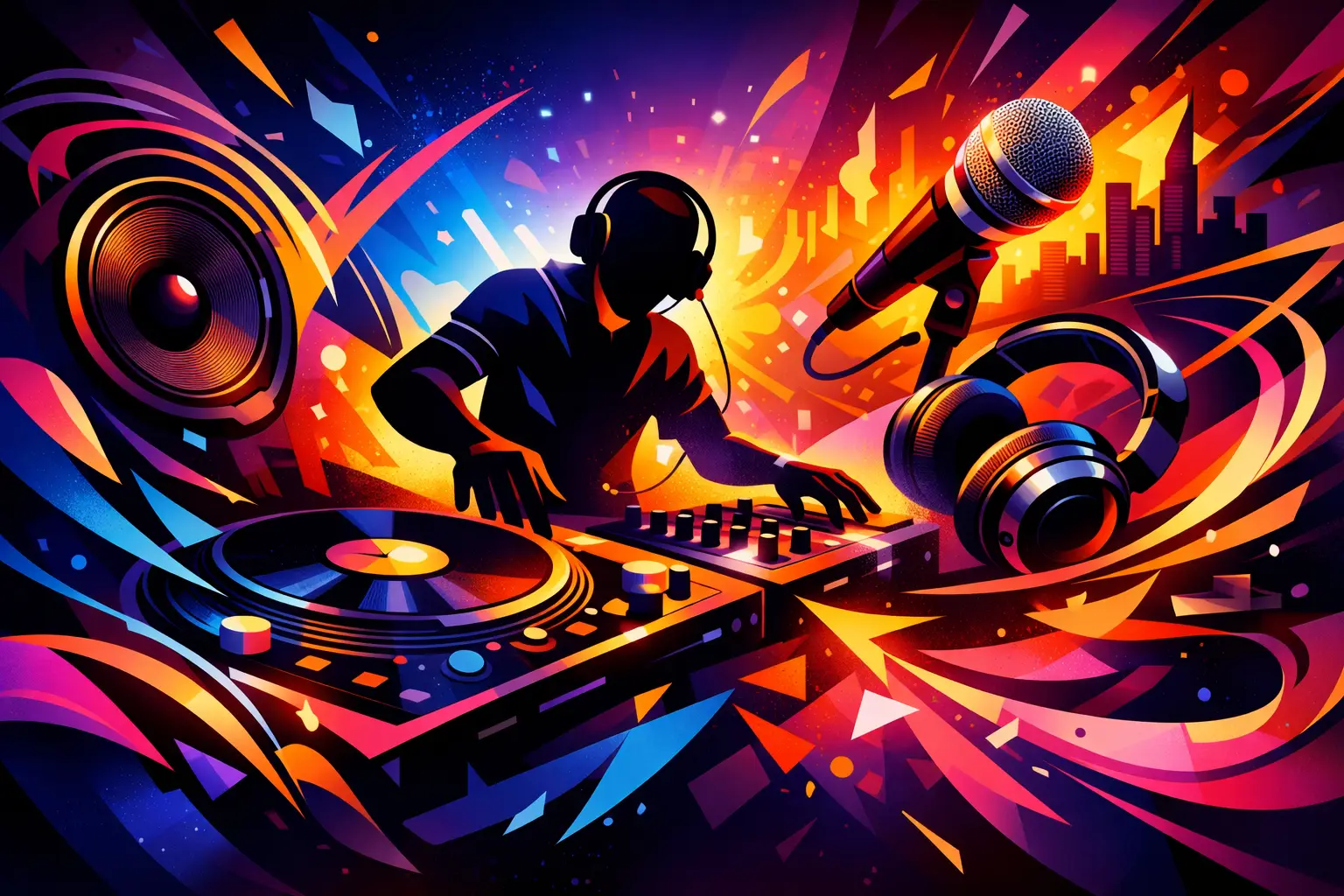
A lot of DJs think promotion starts when the flyer drops. It doesn’t. If you want to know how to promote DJ brand in a way that actually moves the needle, start earlier – with what people remember after the set ends, after the clip scrolls by, and after the event page disappears. Your brand is not just your logo, your press shot, or your Instagram grid. It’s the feeling people attach to your name.
In dance music, attention is crowded and memory is short. The DJs who cut through are not always the most technically gifted. They’re the ones with a clear identity, consistent visibility, and enough scene presence that fans, promoters, and media all know what lane they occupy. That’s the game. Not random posting. Not begging for likes. Real positioning.
How to promote DJ brand without looking forced
The fastest way to stall your growth is to promote yourself like a product nobody asked for. People can smell that from a mile away. The better move is to make your brand feel active, specific, and connected to culture.
That starts with defining what your name stands for. Are you a peak-time club DJ with hard-driving techno energy? A melodic selector built for rooftop sunsets? A bass artist who thrives in livestream rooms and festival afterhours? If your answer changes every week, your audience has nothing to latch onto. Variety has its place, but recognition matters more when you’re building.
A strong DJ brand usually has three things working together: sound, visual identity, and story. Sound is obvious, but plenty of DJs skip the other two. Visual identity means your photos, cover art, clips, colors, and edits all look like they came from the same universe. Story means people know where you came from, what scenes you support, and why your sets hit differently. That’s what makes a profile memorable instead of disposable.
Build assets before you chase attention
Before you push for bookings, media, or audience growth, your foundation needs to be clean. If a promoter checks your profile in ten seconds, they should understand your style immediately. If a fan sees one clip, they should know whether to follow.
Your artist pages should match across platforms. Use the same DJ name, similar bios, updated imagery, and a consistent tone of voice. This sounds basic, but inconsistency kills momentum. If your streaming pages, social channels, and event listings all feel disconnected, you look unfinished.
You also need usable content, not just phone footage from dark booths. That means short performance clips with decent audio, full mixes that represent your current sound, strong artist photos, and a bio that doesn’t read like a resume from 2017. A media kit still matters, especially if you want event slots, brand partnerships, or interview opportunities. Not because it’s flashy, but because it saves people time.
There’s a trade-off here. If you spend forever polishing your brand, you never get visible. But if you go out too early with weak assets, you make a soft impression. The sweet spot is good enough to publish, then improve as your profile grows.
Content is your proof of life
In electronic music, consistency beats occasional hype. One great post every six weeks is not a strategy. If your brand only appears when you’re asking people to stream a mix or buy a ticket, your audience learns to tune out.
The better approach is to document your world in layers. Performance clips show energy. Studio clips show craft. Crowd moments show demand. Behind-the-scenes footage shows personality. Short commentary clips can even show taste – what tracks you’re into, how you build a set, what inspired a release, why a city mattered on a recent run.
This is where many DJs miss the mark. They post content like they’re talking to other DJs only. That has value, but fans want an experience, not just gear talk and transition breakdowns. Your content should make people feel closer to the music and closer to your orbit.
If you can appear in recurring media formats, even better. A live set series, interview appearance, guest mix slot, or scene-focused session gives your brand context and credibility. That kind of content travels farther than a single flyer because it gives people something to watch, share, and remember. Platforms with deep archives and audience trust can amplify that effect fast, which is why media exposure still matters even in a social-first world.
Social growth matters, but scene growth matters more
A lot of DJs chase vanity metrics because numbers look impressive on screenshots. But promoters, labels, and serious fans can tell the difference between empty reach and real traction. Ten thousand passive followers are less valuable than five hundred people who show up, stream your mixes, and repost your clips.
So yes, you should care about short-form video, platform timing, and algorithm-friendly edits. But don’t confuse distribution with connection. Real DJ brand growth usually comes from stacking both online and offline presence.
That means showing up in your local scene, supporting other artists, tagging collaborators properly, and staying visible between gigs. It means attending events where you’re not on the lineup. It means being part of the ecosystem instead of treating every relationship like a transaction.
The dance music world is still built on trust, even when the discovery happens online first. People book who they know, or who comes recommended by people they trust. People share artists who feel like they belong to a scene, not just a feed.
How to promote DJ brand through collaborations
Collabs can accelerate your brand, but only if they make sense. Chasing the biggest possible name is not always the smartest move. A better fit is a promoter, vocalist, producer, content platform, or fellow DJ whose audience overlaps with yours in a believable way.
Back-to-back sets, guest mixes, interview spots, playlist exchanges, event takeovers, and branded livestream appearances can all expand your reach. The key is that both sides should gain something. If the partnership feels one-sided, it usually lands that way too.
You also want collaborations that add dimension to your identity. If you’re known for dark warehouse energy, an appearance in a polished sunset series might either broaden your image or confuse your audience. It depends on how you frame it. Growth is good, but random exposure can weaken your positioning if there’s no throughline.
Treat every booking like media
Playing a great set is only part of the opportunity. Every booking should produce content, relationships, and future leverage. Too many DJs play the night, post one blurry recap, and move on. That leaves value on the table.
Plan ahead. Get clips. Capture crowd reaction. Record audio when possible. Take photos that don’t look like an afterthought. Tag the venue, promoter, supporting artists, and any brands involved. Then turn that one appearance into multiple touchpoints over the next few weeks.
This doesn’t mean faking hype. It means documenting real moments professionally enough that they continue working after the event ends. A packed room is great. A packed room that becomes three strong clips, one polished recap, and one new promoter conversation is better.
The same goes for livestreams and media appearances. If you’re invited onto a respected platform, show up prepared. Promote it before, during, and after. Cut highlights. Repackage quotes. Use the appearance as social proof. One strong session can keep feeding your brand long after it airs.
Your audience needs a reason to stay
Getting attention is one challenge. Keeping it is another. Once someone follows you, what are they following for? New music every month? A consistent mix series? Tour content? Interviews? A signature visual world? If there’s no pattern, fans drift.
This is why recurring formats work. Humans like rhythm. Weekly clips, monthly mixes, regular Q&A sessions, or episodic performance content give your audience a reason to come back. It also makes your brand easier to understand. A DJ with a recognizable cadence feels active and dependable.
You do not need to be everywhere. In fact, spreading yourself too thin usually lowers quality. Pick the channels and formats you can sustain, then show up hard. It’s better to own two lanes than post weakly across six.
Promotion works best when the music is clear
No branding strategy can cover up a weak musical identity. If your sets, releases, and clips all point in different directions, promotion gets expensive because you’re rebuilding the audience every time. Clarity lowers friction.
That doesn’t mean you have to become predictable. It means your audience should understand your taste, your energy, and your place in the culture. The DJs with staying power don’t just get seen. They become easy to describe, easy to book, and easy to recommend.
If you’re serious about how to promote DJ brand for the long run, stop thinking like someone trying to go viral for a weekend. Think like an artist building a body of work, a reputation, and a scene footprint people want to be part of. That’s where momentum starts to feel real.
Keep giving people something worth coming back to, and let your name become part of the conversation naturally.
Latest Shows
Latest news
Gallery
-



Comments
This post currently has no comments.