12 Biggest Electronic Artists Right Now
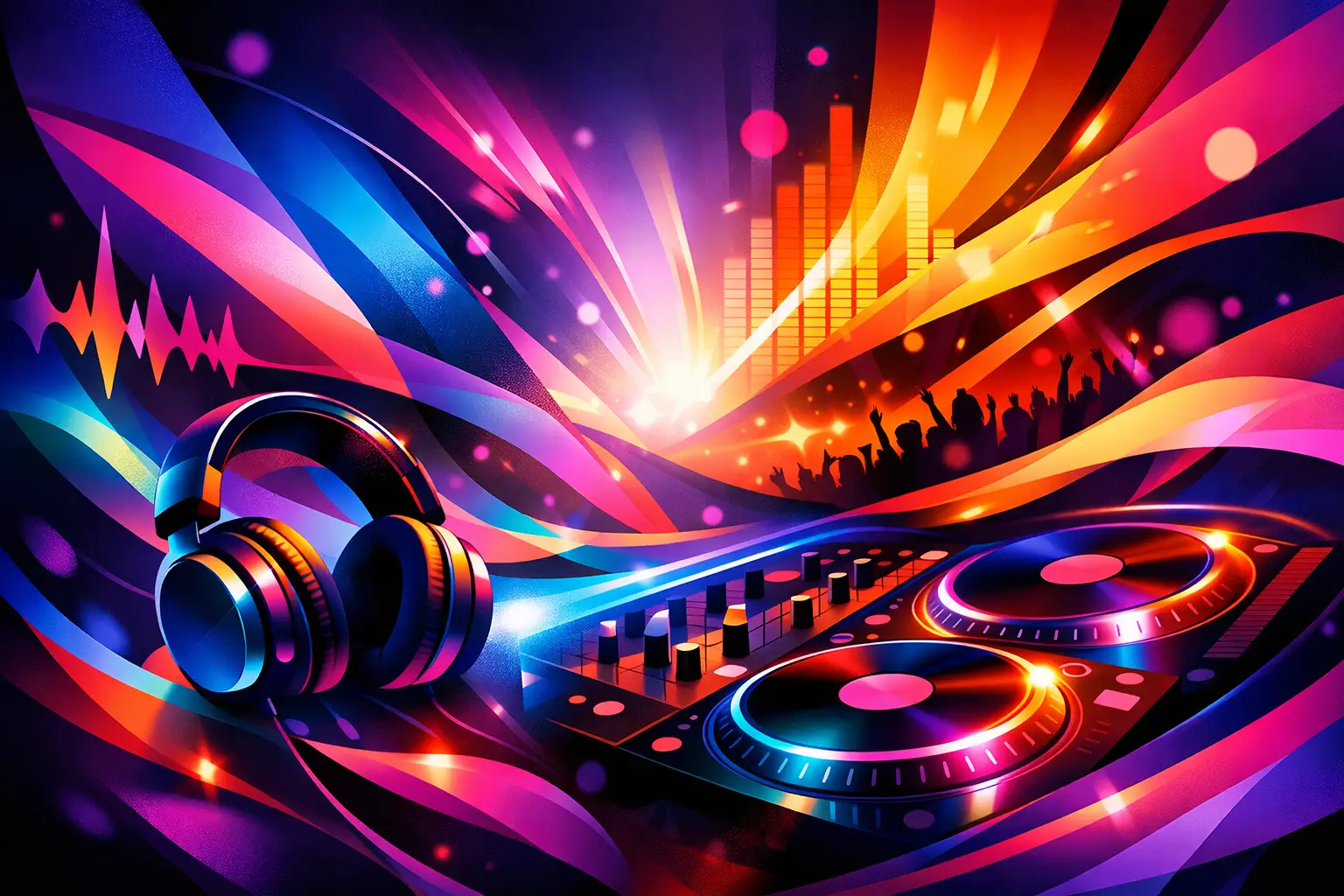
When people ask about the biggest electronic artists, they usually want a simple ranking. The reality is messier – and way more interesting. In electronic music, size can mean festival pull, streaming power, underground credibility, crossover reach, cultural impact, or the ability to shift an entire sound across clubs, labels, and lineups.
That matters because dance music has never been one lane. A techno titan can own Ibiza and still be invisible to a pop audience. A melodic house act can stack hundreds of millions of streams while a bass artist moves merch, headlines North American festivals, and dominates fan communities. If you care about where the scene is going, not just who has the biggest monthly listener count, you have to look at the full picture.
Who counts among the biggest electronic artists?
The biggest names in electronic music earn that label by doing more than dropping hits. They build worlds around their sound. They move tickets, create moments, shape trends, and keep their brand strong across tours, releases, collaborations, and content. Some do it through crossover records. Others do it by staying laser-focused on the dance floor.
This list is not a strict one-through-12 ranking. It is a real-world snapshot of artists with major weight in the current electronic landscape. Different markets tell different stories, and genre silos still matter. But if you book shows, watch festival lineups, follow streams, or live inside DJ culture, these names keep showing up for a reason.
12 biggest electronic artists shaping the scene
Calvin Harris
Calvin Harris remains one of the clearest examples of electronic scale at the global level. He has club records, pop dominance, Vegas visibility, festival credibility, and a catalog that still lands years after release. Few artists have balanced mainstream songwriting with actual dance-floor utility this well.
What keeps him in the conversation is range. He can work with top-charting vocalists and still release records that DJs want to play. Not every crossover artist pulls that off. Harris does, and that is why his footprint stays huge.
David Guetta
If longevity counts – and it absolutely should – David Guetta is still one of the biggest electronic artists on the planet. He has survived multiple waves of dance music and kept himself relevant through reinvention, collaborations, and relentless output.
He also understands scale better than almost anyone in the game. Big hooks, big vocals, big festival moments. Purists may debate individual records, but the reach is undeniable. Guetta has been a bridge between EDM, pop, radio, and club culture for well over a decade.
Tiesto
Tiesto is one of the few names that can headline a major festival, a Las Vegas residency, and a mainstream event without losing brand power. He has gone from trance icon to global dance institution, which is not an easy transition.
Part of his staying power comes from knowing when to evolve. He has never been trapped by one era of his career. That flexibility has helped him stay massive while a lot of peers became nostalgia acts.
Skrillex
Skrillex still carries rare influence because he does more than release tracks – he changes the temperature of the scene. His sound design shifted bass music. His collaborations pushed electronic production deeper into hip-hop and pop. His return cycles feel like events, not just release schedules.
He is also one of the strongest examples of credibility across different audiences. Festival kids know him. Producers study him. Mainstream listeners recognize him. Artists from outside electronic music want to work with him. That kind of crossover authority is hard to fake.
Martin Garrix
Martin Garrix represents a younger generation of superstar electronic talent that matured into long-term staying power. He broke through with massive festival records, but he did not stay stuck there. Over time, he built a broader catalog, stronger artistic identity, and international audience that keeps him near the top tier.
His appeal is especially strong because he connects with both big-room fans and more melodic crossover listeners. He is a headliner with youth appeal, but not just youth appeal. That matters for career durability.
Charlotte de Witte
Charlotte de Witte is one of the most important names in techno’s global rise over the last several years. Her ascent says a lot about how electronic music has shifted. Harder, darker, more driving sounds are no longer niche on major stages.
What makes her stand out is consistency. Her records, branding, and sets all point in the same direction. No confusion, no trend chasing. That clarity has helped her become a genuine force, not just a hot name for one cycle.
Peggy Gou
Peggy Gou has built one of the strongest brands in dance music by combining taste, style, record selection, and crossover awareness. She moves between underground-informed credibility and broader cultural recognition in a way very few electronic artists can.
She is a strong reminder that size in this space is not only about peak drops and fireworks. Sometimes it is about identity. When an artist’s name carries a whole vibe with it, the audience connection gets much deeper.
Fisher
Fisher has turned personality into serious market power. His records are built for big reactions, but his success is not just about hit-making. He understands how modern dance audiences engage with artists – through clips, moments, crowd energy, and a larger-than-life presence.
That makes him polarizing in some circles, but being polarizing is not the same as being small. In fact, artists who create strong reactions often end up with the loudest communities. Fisher’s influence on tech house visibility is impossible to ignore.
Fred again..
Fred again.. changed the conversation by making electronic music feel intimate without losing scale. His rise has been powered by emotional songwriting, genre fluidity, and performances that connect beyond the usual DJ spectacle.
He matters because he widened the audience. Fans who might not usually follow club culture found an entry point through his work, while dance music listeners embraced the production depth and live energy. That is a rare overlap, and it gives him major cultural weight.
Anyma
Anyma has become one of the biggest visual and sonic brands in electronic music. His shows are not just DJ sets or live performances – they are immersive experiences designed for the current era of festival culture and digital sharing.
Some critics argue that the visuals overshadow the music. That is a fair conversation. But even that debate proves his impact. In a market where stagecraft and social visibility matter, Anyma has become a major benchmark.
John Summit
John Summit has gone from breakout club favorite to one of North America’s most visible dance music names. His rise has been fueled by accessible house records, a strong online presence, and a clear understanding of how to build fandom beyond single releases.
He also represents a broader shift in US dance culture. Fans want artists who feel close to the party, not distant from it. Summit’s image, catalog, and crowd connection all feed that demand, which is a big reason his momentum has held.
Dom Dolla
Dom Dolla has built one of the cleanest modern success stories in house music. His productions hit hard in clubs, his records travel well across markets, and his profile keeps growing without looking forced.
That balance is key. Some artists explode online before the touring foundation is there. Dom Dolla feels earned. The records work, the sets deliver, and the audience trust keeps expanding.
Why the biggest electronic artists keep changing
Electronic music moves in waves faster than most genres. Sounds burn hot, scenes evolve, and audiences split across micro-communities. That means any list of the biggest electronic artists has to leave room for movement.
A few years ago, the center of gravity might have leaned more heavily toward big-room EDM names. Right now, the market is more fragmented and more exciting. Tech house, melodic techno, bass, crossover live-electronic hybrids, and underground-rooted selectors all have real lanes to scale. That creates more opportunity, but it also makes the crown harder to define.
It is also worth separating fame from influence. Some artists have larger mainstream visibility. Others are shaping what DJs actually play, what producers copy, and what promoters book six months from now. Those are not always the same people.
What fans and industry watchers should pay attention to
If you want to spot the next wave before everyone else, watch more than streaming charts. Look at festival billing, support slots, remix networks, label momentum, and how often an artist’s records appear across different DJ sets. Pay attention to who can move from clubs to theaters to major festival stages without losing their identity.
That is one reason platforms like The DJ Sessions matter in the culture. The electronic world has always been bigger than top-line stats. Real scene credibility comes from seeing who shows up consistently, who can perform, who can tell a story, and who is building a lasting connection with fans.
The biggest names will keep shifting, because that is how dance music stays alive. One season belongs to crossover giants. Another belongs to underground leaders breaking through. The smart move is not to argue over one permanent list – it is to stay plugged into the artists creating the moments everybody else is about to chase.
If you are building your playlists, your bookings, or your own path in the scene, follow the energy before it becomes consensus.
Latest Shows
Latest news
Gallery
-









Comments
This post currently has no comments.