DJ Interview Questions That Get Real Answers
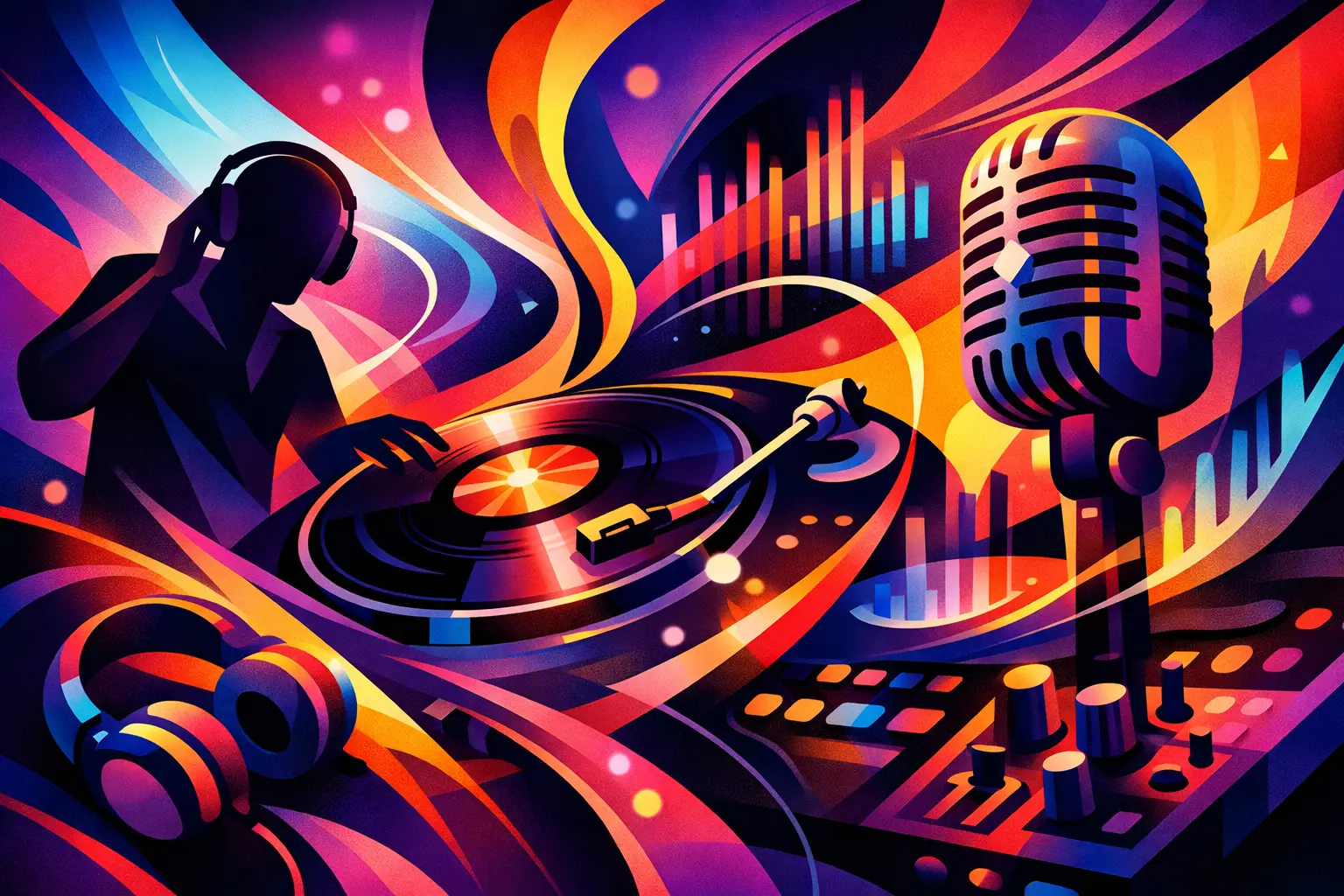
A great dj interview usually happens right after the obvious questions run out. The release date is covered. The tour stops are named. The new label move gets a clean quote. Then, if the host knows the culture, the real conversation starts – the one fans actually remember and artists actually enjoy.
That matters in electronic music because DJs are often introduced through a set, a flyer, or a social clip before they are introduced as people. The interview is where the layers show up. You hear how someone builds energy across a room, why they switched genres, what they learned from bombing a set, or how they balance art with the realities of bookings, branding, and burnout. For fans, that is access. For artists, that is identity. For the scene, that is documentation.
What makes a dj interview worth watching
A weak interview treats the artist like a press release. A strong one treats them like a working creative with a point of view. That sounds simple, but it changes everything.
In dance music, plenty of coverage leans too hard on hype. There is always a place for celebration, especially when an artist is coming off a huge release or a breakout festival slot. But if every question sounds like setup for promotion, the conversation gets flat fast. Viewers can feel when the host is only teeing up talking points.
The better approach is part fan energy, part industry awareness. You want the excitement of the culture, but you also want enough depth to pull out stories that do not show up in a boilerplate bio. Ask about crowd reading. Ask about the tracks they keep in reserve. Ask what changed between the artist they were five years ago and the one stepping into the booth now. Those are the moments that separate disposable content from an interview people share.
The best dj interview questions start before the cameras roll
Good interviews are usually built in research, not improvisation. That does not mean scripting every line. It means knowing where the real openings are.
Start with the artist’s recent movement. Look at releases, collabs, label activity, tour routing, and format changes. If a DJ known for club sets is suddenly doing hybrid live performance, that is a story. If someone built their name in underground rooms and is now playing main stage festivals, that shift deserves more than a passing mention.
Then look backward. Every DJ has an origin point, but not every origin story is still relevant to where they are now. The trick is finding the connection between early influences and current choices. Maybe a house DJ grew up on hip-hop turntablism. Maybe a techno artist came through warehouse culture before getting into production. Those details create continuity, and continuity gives an interview shape.
It also helps to know what not to ask. If an artist has answered the same question in twenty interviews this month, asking it again better lead somewhere new. Otherwise, skip it or reframe it. Instead of “How did you get started?” ask, “What part of your early approach have you refused to let go of, even as your career has scaled?” Same topic, better answer.
How to guide the conversation without killing the vibe
A dj interview works best when it feels live, even if it is carefully structured. That balance is huge in electronic music media because the audience wants authenticity, not a corporate panel wrapped in club language.
The opening should lower the artist into the conversation, not corner them. Start with something current and easy to enter, like a recent set, a city they just played, or a crowd moment that stood out. That gets them talking in their natural voice. Once the rhythm is there, move into process, decisions, and perspective.
Pacing matters. If you go too hard into career strategy in the first two minutes, the energy can get stiff. If you stay too casual for too long, the interview never lifts off. The best hosts know when to turn one answer into a lane. An artist mentions they changed how they prep USBs for different rooms. That is your chance to ask how they think about set architecture, not just music selection. An artist says they nearly quit during the pandemic years. That opens a conversation about resilience, community, and what rebuilding looked like.
Follow-up questions are where credibility shows. Anyone can ask, “How was the festival?” A host who knows the scene asks, “Did that slot change how you approached tension and release compared to a late-night club room?” That tells the artist and the audience that this is not surface-level coverage.
Topics that actually reveal the artist
The strongest interviews usually move across three lanes: craft, career, and culture. If one lane dominates, the conversation can feel thin.
Craft is the technical and creative side. How they build a set. How they test unreleased tracks. How they read a room that is not giving much back. How they decide whether to push the crowd or meet it where it is. Fans love this because it gets inside the booth without turning into gear talk for gear talk’s sake.
Career is the business reality. This is where you ask about consistency, travel, team building, content pressure, and the difference between visibility and momentum. DJs today are not just performing. They are managing brand expectations, platform demands, and nonstop competition for attention. Talking honestly about that makes the interview useful, especially for emerging artists trying to understand what the job really looks like.
Culture is the bigger picture. What scenes are growing? What cities still surprise them? How has club culture changed? What does community mean when so much discovery happens online? This lane matters because dance music is not just content. It is people, spaces, risk, history, and evolution.
That is also where interviews can age well. A release cycle fades. A smart conversation about where the scene is headed can stay relevant for years.
Why some interviews go flat
Usually, it is not because the artist was boring. It is because the format boxed them in.
Yes or no questions kill momentum. Overly long questions bury the point. Generic praise can make the host sound disconnected instead of supportive. And if every question is built to sell a release, the audience checks out because they know they are hearing promotion, not perspective.
Another common issue is confusing familiarity with depth. Just because a host knows the artist or has seen them play multiple times does not mean the interview automatically has substance. In fact, that can make things lazier if the conversation leans on inside jokes and skips the context viewers need.
There is a trade-off here. A loose, friendly tone helps artists relax, especially in scene media where personality is part of the appeal. But too loose, and the interview loses direction. Too formal, and it stops feeling like dance music culture. The sweet spot is controlled spontaneity.
The value of dj interviews for fans and artists
For fans, a good dj interview adds depth to the music they already connect with. It turns a name on a lineup into a fuller story. That can build loyalty fast, especially when an artist shares something honest about creative struggle, crowd connection, or career pivots.
For artists, interviews do more than fill promo calendars. They help shape narrative. In a crowded market, narrative matters. Two DJs can both have strong releases and packed schedules, but the one who communicates vision, process, and personality often becomes more memorable. That is not fake branding. It is clarity.
For media platforms, interviews are one of the few formats that can serve multiple layers of the audience at once. Fans get access. DJs get exposure. Industry people get context. That is why they remain such a powerful part of electronic music programming, whether they happen backstage, in studio, on location, or as part of a larger performance-driven format like what The DJ Sessions has built over years of consistent scene coverage.
What the future of the dj interview looks like
Short clips are not going away, and neither is fast-turn social content. But the appetite for real conversation is still there. If anything, it is growing because audiences are getting better at spotting empty promo language.
The future probably belongs to interview formats that can do both: grab attention quickly and still reward longer viewing. That means sharper openings, stronger editing, and better questions. It also means respecting that electronic music audiences are not passive. They know the culture. They know when an artist is being handled. And they know when a host is genuinely tapped in.
The best interviews will keep blending personality with insight. They will show the humanity behind the set and the strategy behind the career. They will make room for newer artists without treating them like placeholders, and they will challenge established names to say something more than what is already in the press notes.
If you are creating or watching a dj interview, that is the bar worth chasing: not more noise, not more filler, but the kind of conversation that feels like it could only happen inside this culture, with people who actually live it.
Latest Shows
Latest news
Gallery
-





Comments
This post currently has no comments.