How a Live Stream DJ Mix Builds Real Buzz

A packed room still matters. So does a perfect club system at 1:30 a.m. But a live stream DJ mix has become its own kind of venue – one where discovery happens fast, scenes stretch across cities, and a set can keep working long after the last track fades out. For DJs, promoters, labels, and fans, that changes the game.
This is not just about putting a camera in front of a booth and hoping the internet shows up. The best streamed sets carry the same tension, pacing, and identity that make dance floors move in real life. They create a moment for the live audience and an asset for everyone watching later. That second part matters more than ever.
Why a live stream DJ mix matters now
Electronic music has always moved through networks – clubs, record shops, radio shows, afterhours word-of-mouth, local crews, touring circuits. Livestreaming plugs directly into that DNA. It gives artists a way to reach fans instantly, but it also gives scenes a way to document themselves in public.
That means a set is no longer just a one-night event. It can become proof of taste, proof of booking power, proof of consistency. A promoter can see how a DJ builds a room. A fan can catch an artist they missed at a festival. A label can hear how unreleased tracks land in context. A new listener can go from one clip to a full hour and suddenly become part of the community.
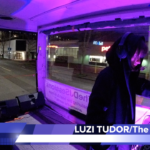
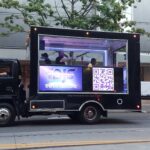
There is also a credibility layer here. Anybody can post a few polished snippets. A strong live set shows range, stamina, programming, and crowd reading in real time. Even when the stream happens in a studio, rooftop, cab, or unusual location, viewers can still tell when the mix has real command behind it.
What separates a forgettable stream from one people share
The obvious answer is music selection, and yes, that is still the core. If the programming is flat, no amount of lighting saves it. But the sets that travel further usually get four things right at the same time: identity, pacing, environment, and replay value.
Identity is what makes the first five minutes recognizable. Maybe it is deep and hypnotic. Maybe it is peak-time pressure. Maybe it is a genre-crossing ride that still feels coherent. The point is that the set sounds like a point of view, not a playlist assembled for safety.
Pacing is where a lot of streams lose momentum. A club set can survive a few transitional minutes because the room is physical and forgiving. Online, attention moves faster. That does not mean every ten seconds needs a drop. It means the DJ has to create movement on purpose. Tension, release, texture changes, vocal moments, resets – all of it matters more when people are watching through a screen.
Environment is the visual part, but not in the cheap-content sense. People respond to context. A rooftop at sunset says one thing. A dark booth says another. A branded studio says professionalism. An on-location set can make a city part of the story. The setting should match the music and the artist. When it does, the stream feels like an event instead of filler.
Replay value is the multiplier. The best live stream DJ mix is not only strong while it is happening. It is also easy to revisit, clip, quote, repost, and remember. That can come from a standout track run, a big crowd reaction, a sharp visual moment, or a simple sense that this set captured an artist at the right time.
Live stream DJ mix culture is bigger than one platform
A lot of people still talk about livestreaming like it belongs to a single app or trend cycle. That misses the point. A live stream DJ mix now lives across a full media ecosystem. It might premiere in one place, get clipped for social, land in an archive, show up on streaming channels, and keep pulling listeners months later.
That long-tail effect is one of the biggest reasons artists take the format seriously. A club night is fleeting by design. A recorded and distributed set can keep introducing people to an artist long after the original audience logged off. For emerging DJs, that reach can be career-shifting. For established names, it extends brand presence between tours, releases, and festival runs.
It also changes how fans relate to artists. The old model was scarcity – maybe you catch the set, maybe you do not. The newer model blends access with curation. Fans want more touchpoints, but they still want quality and context. They do not just want random content. They want a set that feels worth stopping for.
The trade-offs are real
None of this means livestreaming replaces the club. It does not. Camera energy and dance floor energy are different things, and every DJ who has done both knows it.
In a live room, a DJ can stretch, test, and respond to micro-signals from the crowd. Online, part of that feedback loop disappears or gets delayed into comments, metrics, and post-show reactions. Some artists thrive in that environment. Others need the friction of a physical room to reach another level.
There is also the production factor. A great set can be undermined by weak audio, unstable video, or a lifeless setting. On the flip side, a technically polished stream can still fall flat if the performance feels too careful. That is the balancing act. You want enough structure to make the experience premium, but not so much polish that the human edge disappears.
Rights, platform rules, and monetization can be tricky too. Not every stream setup treats DJ culture kindly, especially when mixes rely on copyrighted tracks. For media platforms and artists, that means strategy matters. Where the set lives, how it is distributed, and how it is archived all shape its long-term value.
Why the format works so well for artist growth
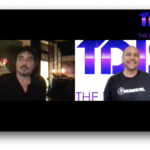
For rising talent, a live stream DJ mix can do something a flyer often cannot – show the full case for why the artist deserves attention. You hear taste, transitions, confidence, and range in one sitting. If the setup includes an interview or behind-the-scenes conversation, even better. Fans and industry people get the music and the personality.
That combination matters in electronic music because the culture has always rewarded more than tracks alone. Reputation is built through sets, relationships, consistency, and the ability to show up in different contexts. An artist who can deliver on a livestream, connect with viewers, and leave behind a strong archive entry is building more than content. They are building proof.
This is where established media platforms have a real edge. When a set appears inside a larger ecosystem with recurring programming, audience trust, and a deep history in the scene, the artist benefits from that association. It signals curation, not just self-upload. That kind of context can raise the perceived value of the performance immediately.
What fans really want from a streamed set
Fans want access, but they also want intention. They want to feel like they are part of something current, not watching leftovers packaged as urgency. The strongest streams deliver both immediacy and identity.
Sometimes that means a raw club capture with real crowd noise and a little chaos around the edges. Sometimes it means a clean, cinematic session where every angle serves the music. There is no single formula. It depends on the genre, the artist, the location, and the audience expectation.
What does not change is the emotional target. A good stream should make people feel closer to the culture. It should give them a reason to stay for the next transition, the next ID, the next guest, the next episode. That is how platforms grow and how artists turn casual viewers into actual supporters.
For a brand like The DJ Sessions, that model works because it treats the mix as part performance, part storytelling, and part long-term scene documentation. That approach meets fans where they are while still giving artists a credible stage.
Where the format is heading
The future of the live stream DJ mix is not just more streams. It is better context, smarter distribution, and stronger programming. Viewers are already past the novelty phase. They know what low-effort content looks like. What they respond to now is curation, consistency, and a reason to care.
That opens up space for more creative formats. Hybrid event coverage. Location-based sessions that reflect local culture. Deeper artist conversations around the mix. Specialty concepts that turn a set into a series instead of a one-off. The platforms that win will be the ones that understand livestreaming is not only a broadcast tool. It is a culture-building tool.
If you are an artist, treat every streamed set like a public chapter in your story. If you are a fan, look beyond the clip and find the platforms building real archives. And if you are shaping the scene from the media, label, or promoter side, remember this: the right set does more than entertain for an hour – it creates momentum people can feel and revisit.
Latest Shows
Latest news
Gallery
-




Comments
This post currently has no comments.