7 DJ Promotion Opportunities Online That Work
The difference between a DJ who stays local and a DJ who starts building real momentum usually is not talent. It is visibility. More specifically, it is knowing which dj promotion opportunities online actually put your name in front of listeners, promoters, bookers, and media people who care about dance music.
That matters more now than ever. There is no shortage of mixes, clips, guest sets, and artist pages fighting for attention. If your promotion strategy is just posting a flyer on social and hoping the algorithm feels generous, you are leaving growth on the table. Online promotion works best when it looks less like random posting and more like a connected media plan.
What good DJ promotion opportunities online really look like
A real opportunity does one of three things. It gets your sound in front of new listeners, it builds trust around your brand, or it creates a reason for industry people to remember your name. The strongest options do all three at once.
That is why reach alone is not enough. A repost from a huge account can feel exciting, but if the audience is not aligned with your genre or region, it fades fast. On the other hand, a feature on a respected dance music platform, a strong interview, or a livestream with replay value can keep working for you long after the initial post goes live.
The best online promo also creates assets. One mix can become clips, quotes, event proof, a press reference, and a calling card for future bookings. That is the kind of exposure DJs should chase.
Livestreams are still one of the strongest DJ promotion opportunities online
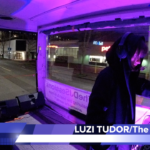
Livestream culture changed the way DJs can grow. It gave artists a direct lane to fans without waiting for a club slot, festival opening, or label push. That lane still matters because a strong streamed performance shows more than your track selection. It shows your presence, your pacing, your technical control, and your ability to hold a room, even when the room is digital.
The catch is that not all livestreams carry the same weight. Going live from your bedroom can help with consistency and fan connection, but it does not automatically create industry credibility. A curated livestream series, a branded session, or a media-backed performance tends to travel farther because it comes with context. People trust platforms that already have an audience and a track record.
If you get the chance to play on a known dance music channel, treat it like a feature, not just a set. Promote it early, capture clips, tag collaborators, and keep pushing the replay after the stream ends. The replay is often where the long-tail value lives.
Guest mixes and digital radio still move the needle
Guest mixes are one of the oldest tools in dance music, and they still work because they fit the culture. Fans of electronic music love curated sets. Promoters and fellow artists still listen for taste level. Labels pay attention to who understands flow, timing, and selection.
But there is a trade-off. Guest mix opportunities vary wildly in quality. Some pages have clean branding and loyal listeners. Others are just collecting content without much promotion behind it. Before you say yes, look at how often they post, whether people engage, and if the artists featured make sense for your lane.
The smart move is to focus on platforms with a real identity. A respected niche outlet in house, techno, drum and bass, or open-format culture can do more for your career than a generic page with inflated numbers. Scene fit matters.
Interviews build a different kind of value
A DJ set shows what you do. An interview explains why you matter. That difference is huge.
Artist interviews are underrated because many DJs think only the music should speak. In reality, people book, support, and remember artists they feel connected to. A good interview gives fans your story, gives promoters something to reference, and gives search results more substance than a list of gig flyers.
The strongest interviews do not read like a résumé. They talk about creative direction, local scenes, touring lessons, production choices, community ties, and what is happening behind the decks. That makes you more than another name with a link in bio.
For DJs trying to move beyond entry level, media appearances that combine performance and conversation are especially strong. A live set plus an interview gives people both energy and context. It is one of the cleanest ways to turn exposure into credibility.
Short-form content works when it points somewhere bigger
A lot of DJs burn out on content because they treat clips like the whole strategy. They are not. Clips are trailers.
Short-form video is great for reach, quick discovery, and showing personality. Crowd moments, transitions, booth reactions, studio snippets, and track teases can all perform well. But if every clip disappears into the feed without leading to a larger destination, growth stalls.
The bigger destination could be a full mix, a livestream replay, a media feature, an event appearance, or a branded artist page. The point is to connect the quick hit to a deeper experience. That is where fan conversion happens.
This is where DJs often miss the opportunity. They spend time chasing viral moments when they should be building a repeatable funnel. A few strong clips that lead people to a polished full performance will usually outperform a pile of random posts.
Online press and platform features can separate you from the pack
There is a difference between self-promotion and third-party validation. Both matter, but they do different jobs.
When a media outlet, music platform, or established scene brand features your mix, interview, release, or event appearance, it acts as social proof. It tells people you are being noticed beyond your own circle. That can help with booking conversations, collaboration outreach, and fan trust.
This does not mean every DJ needs mainstream press. Most do not. For many artists, the real win is being featured consistently by credible music communities that serve the exact audience they want to reach. A house DJ does not need attention from everyone. They need attention from the right dancers, promoters, labels, and listeners.
If you want these opportunities, your presentation has to be tight. EPKs should be current. Photos should look professional. Your socials should show activity. Your mix links and performance footage should be easy to review. A lot of DJs lose placement before anyone even hears their set because their materials look unfinished.
Community-based promotion beats empty reach
Some of the best dj promotion opportunities online come from communities, not campaigns. Discord groups, label collectives, genre-specific communities, event pages, and recurring digital shows can all create momentum because they encourage repeat interaction.
That matters in dance music because this culture has always moved through relationships. The internet changed the format, not the principle. DJs who become part of scenes online tend to get more back over time – guest slots, back-to-back invites, remix swaps, reposts, and introductions to promoters.
The key is to show up with value. Support other artists. Comment with substance. Share sets you actually rate. Be visible in a way that feels genuine, not transactional. Scene people can spot fake networking immediately.
This is also where long-running platforms have an edge. A trusted media brand with a real archive, recognizable formats, and a consistent audience offers more than a single promo hit. It can place you inside an ongoing ecosystem where fans and industry people are already paying attention.
How DJs should choose where to invest time
Not every opportunity deserves a yes. Some are worth it for exposure. Some are worth it for branding. Some are worth it only if they align with your next move.
If you are just starting out, prioritize places that give you usable content and visible proof of performance. If you are trying to get booked in a new market, focus on regionally relevant platforms and communities. If you are launching music, aim for channels that can support storytelling around the release, not just a one-post mention.
And if an opportunity asks for money, ask tougher questions. What is the actual audience? What content do you keep? How will it be distributed? Does the platform have a real history in the scene? Paid promotion is not automatically bad, but vague promises and vanity metrics are still everywhere.
For artists in electronic music, the strongest path is usually a mix of owned content and borrowed credibility. Build your own channels, yes. But also place yourself in respected environments where your sound can be discovered in context. That is how online promotion starts feeling less like shouting into the void and more like building a career.
One solid set on the right platform, one interview that tells your story well, or one feature that reaches the right dance music crowd can shift more than months of scattered posting. Go where the culture is active, where the archive matters, and where your sound has room to land.
Latest Shows
Latest news
Gallery
-


Comments
This post currently has no comments.