Best Live Stream DJ Equipment Setup
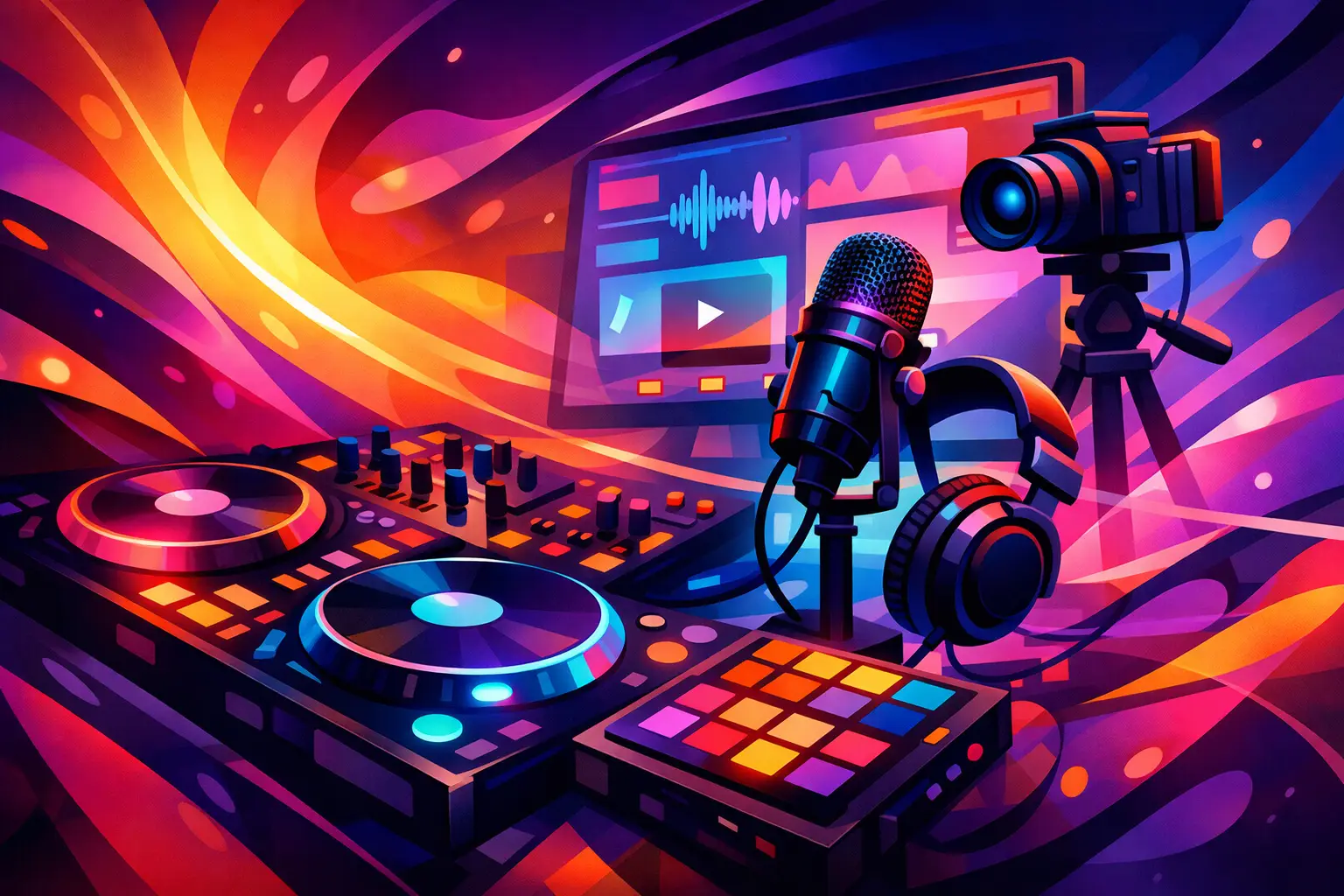
The difference between a stream people watch for 30 seconds and a set they stay with for an hour usually has nothing to do with track selection alone. In live streaming, your live stream dj equipment is part of the performance. If the audio clips, the camera looks flat, or the connection drops right before the drop, the vibe is gone no matter how strong the mix is.
That is why serious DJs, promoters, and media platforms treat streaming gear like part of the booth. You are not just playing records for a room anymore. You are building a broadcast, and that means every piece of the signal chain matters.
What live stream DJ equipment actually needs to do
A solid stream setup has one job: make your set look and sound intentional. That sounds obvious, but a lot of DJs still overbuy in the wrong places. They grab an expensive camera and ignore their audio path, or they upgrade decks while streaming through a laptop mic. Viewers will forgive a lot before they forgive bad sound.
The best live stream dj equipment setup balances five things – your DJ source, your audio interface or mixer routing, your camera, your lighting, and your internet connection. Miss one of those, and the whole experience feels cheaper than it should.
There is also a difference between a club setup and a streaming setup. In a club, the room carries energy. Online, the camera frame and audio feed have to create that energy from scratch. That changes what matters. Clean gain staging beats loudness. A flattering key light beats an expensive lens. A stable wired connection beats almost every flashy upgrade you can make.
Start with the DJ setup you already trust
Your decks, controller, mixer, or CDJs should not become a science experiment just because you are going live. If you already play confidently on a specific setup, build your stream around that. Performance confidence always shows on camera.
For many DJs, a controller-based rig is the easiest path. Modern controllers often include built-in USB audio, which can simplify routing. If you are using a standalone mixer and media players, the workflow can feel more professional, but it may require an extra interface or more careful output management.
The key question is simple: can you send a clean master signal to your streaming computer without compromising your monitoring? If yes, you are in good shape. If not, solve that before you spend a dollar on cosmetics.
Audio is the whole game
In dance music media, audio quality is credibility. Fans might tolerate a slightly imperfect frame, especially if the set is strong. They will not stick around for distortion, rumble, hiss, or a lopsided signal.
The cleanest approach is usually sending your mixer or controller output into an audio interface, then into your streaming software. Some DJ gear can act as the audio interface itself, which is convenient, but not always flexible. Dedicated interfaces often give you better input control and more predictable results.
Watch your levels carefully. Streaming platforms compress audio, and what sounds punchy in your headphones can turn brittle online. Leave headroom. Avoid redlining. Test your stream with actual club-style dynamics, not just a quiet house intro. A setup that behaves during a warm-up can fall apart during a peak-time techno set.
If you plan to speak on stream, add a dedicated microphone instead of relying on a camera mic. Artist intros, interviews, shout-outs, and sponsor mentions all land better when your voice sounds present and clear. For brands building recurring programming, that matters even more than it does for one-off bedroom streams.
Cameras matter, but framing matters more
You do not need a cinema camera to look professional. You need a camera that can stay on reliably, handle low light reasonably well, and give you a clean image for the length of your set.
A good webcam can be enough for newer streamers. Mirrorless cameras can raise the production value fast, but they also add complexity – capture devices, power management, heat concerns, and autofocus behavior all become part of the workflow. If your goal is consistency, sometimes the simpler camera wins.
What the audience really notices is framing. Can they see your hands working? Does the room have atmosphere? Is there enough background detail to feel like a real session instead of a random corner with cables everywhere? Those choices shape the mood of the stream.
A single locked-off shot can work, especially for long-form sets. Multiple camera angles can elevate the experience, but only if they are done cleanly. If switching angles makes the stream feel chaotic, keep it simple. A confident one-camera broadcast still beats a messy multi-cam attempt.
Lighting is the fastest upgrade most DJs ignore
Bad lighting makes expensive gear look cheap. Good lighting can make a modest setup feel broadcast-ready.
The foundation is a soft key light on your face and upper body. After that, use practical lighting or colored accent lights to create depth around the booth. Electronic music lives on atmosphere, and your lighting should support that without making the frame impossible to read.
There is a trade-off here. Too much club-style darkness looks moody in person but muddy on stream. Too much white light kills the energy. The sweet spot is controlled contrast – enough light for clarity, enough color for identity.
This is where recurring music media brands really separate themselves. Viewers remember a visual signature. Whether it is a rooftop skyline, a backlit booth, or a branded session environment, lighting helps turn a DJ set into recognizable programming instead of disposable content.
Your internet connection is part of the rig
DJs love talking about mixers and cameras, but your router can ruin the whole night. If you are serious about streaming, use wired internet whenever possible. Wi-Fi might hold up for casual sessions, but it is still a gamble, especially in busy venues, event spaces, or shared buildings.
Upload speed matters more than raw download speed for live broadcast. Stability matters more than both. A connection with moderate speed and steady performance will beat a fast, inconsistent one every time.
You should also think about redundancy. If you are streaming an important guest set, sponsored show, or special session, have a backup plan. That can be a secondary hotspot, a second laptop ready to go, or at minimum a workflow that lets you recover quickly without panic. In live electronic music media, momentum is everything.
The software layer needs to stay invisible
Your streaming software should support the show, not become the show. Whether you use OBS or another platform, the best setup is the one you can run under pressure.
Build scenes in advance. Test audio sync. Check CPU load. Make sure notifications are off. Label your sources clearly. None of this is glamorous, but this is the difference between looking prepared and looking like you are still figuring it out in front of an audience.
If you are incorporating overlays, artist tags, sponsor assets, or show branding, keep them clean. Dance music audiences respond to polished presentation, but they also spot clutter immediately. You want the identity of the stream to come through without burying the performance.
Three gear paths that make sense
For a beginner setup, keep it lean: a reliable DJ controller, a laptop, a quality webcam, an entry-level audio interface if needed, one good light, headphones, and wired internet. This is enough to produce a sharp stream if the audio is clean and the framing is thoughtful.
For an intermediate setup, upgrade the camera, improve lighting, add a dedicated microphone, and tighten the signal flow with a mixer or better interface. This is the zone where streams start feeling like programming, not just content.
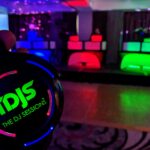
For a professional setup, think in terms of repeatability. Multiple cameras, a stronger computer, branded backdrops or locations, controlled lighting, backup internet, and an audio chain you trust every single time. That is where platforms like The DJ Sessions built real staying power – not just by going live, but by creating a format audiences recognize and return to.
Don’t buy for hype, buy for repeatability
A lot of live stream dj equipment gets marketed like the next magic fix. It rarely works that way. The best investment is gear that removes friction from your workflow and helps you show up consistently.
If you stream once a month, your priorities may be different from a platform pushing weekly episodes, guest performances, or interview-driven sessions. If you travel, portability matters. If you run branded shows from fixed locations, control and redundancy matter more. If you are focused on artist growth, the ability to capture quality clips after the stream may be as important as the live show itself.
That is the real question behind every equipment choice: will this help you deliver a stronger set, a better viewer experience, and a more dependable production next time?
Get that right, and your setup stops being gear on a table. It becomes part of your identity, your credibility, and your signal to the scene that when you go live, it is worth showing up.
Latest Shows
Latest news
Gallery
-



Comments
This post currently has no comments.